Exposed Network of Illegal Casinos Targets UK Gamblers Dodging GamStop Barriers
Written by Avery Bauer · Apr 5, 2026

Exposed Network of Illegal Casinos Targets UK Gamblers Dodging GamStop Barriers
The Joint Investigation Unveils a Hidden Empire
A collaborative probe by The Guardian and Investigate Europe has spotlighted a sprawling network of at least eight unlicensed online casinos, including the prominent MyStake platform, all operated under the umbrella of Santeda International; these sites, linked to Georgian businessmen through the platform provider Upgaming, have been aggressively targeting vulnerable gamblers in the UK who seek to circumvent GamStop self-exclusion schemes. Researchers uncovered how these operations, licensed in lax jurisdictions like Curaçao, draw in millions of British visitors each month, bypassing stringent UK regulations designed to protect players from gambling harms.
What's interesting here is teh sheer scale; data from the investigation reveals these sites collectively attract over 10 million UK-based visits monthly, even as they operate without the oversight of the UK Gambling Commission, fueling significant financial losses and personal tragedies. Experts who've pored over the traffic analytics note that players, often those who've self-excluded via GamStop to curb compulsive betting, find easy access to these platforms through targeted ads and affiliate promotions that skirt detection.
And while Santeda International positions itself as a legitimate iGaming entity, the probe traces ownership threads back to Georgian figures who leverage Upgaming's technology to keep the wheels turning smoothly, at least until scrutiny intensified.
Inside the Santeda Network: MyStake and Its Shadowy Siblings
MyStake stands out as the flagship among the eight exposed sites, boasting flashy interfaces loaded with slots, blackjack tables, and live dealer games that mimic licensed UK operators; but here's the thing, none hold UK Gambling Commission licenses, relying instead on Curaçao eGaming approvals that observers describe as notoriously permissive. The network extends to platforms like BitKingz, Lucky Block, and others, all sharing backend tech from Upgaming, a Cyprus-registered firm that until recently powered their operations seamlessly.
Investigators mapped the connections meticulously, revealing how Santeda International N.V., registered in Curaçao, funnels payments through obscure channels while promoting high-roller bonuses tailored to lure in excluded UK players; take one case where a punter, barred from mainstream sites via GamStop, stumbled upon MyStake via a Google search for "GamStop-free casinos," only to deposit thousands within weeks. Figures from SimilarWeb, cited in the report, show MyStake alone pulling in 2.5 million UK visits per month, a number that rivals some regulated giants.
Turns out Upgaming played a pivotal role, supplying not just software but also marketing tools that blasted promotions across social media and SEO-optimized blogs, directing traffic straight to these unlicensed doors; and although Upgaming announced it severed ties with Santeda in March 2026 amid mounting pressure, the casinos persist online, adapting quickly with new providers.
Predatory Tactics Prey on Vulnerable UK Punters
These platforms excel at evasion, offering one-click sign-ups that ignore GamStop databases, while bombarding users with bonuses like 150% deposit matches up to £500 or free spins on high-volatility slots; researchers found aggressive VIP programs that escalate bets through personalized rebates, trapping players in cycles of chase losses. One study referenced in the investigation highlights how such tactics exploit the 600,000-plus Brits enrolled in GamStop, many battling addiction, by promising "freedom from restrictions" in fine print-heavy terms.
But the real sting comes in the harms; data indicates UK visitors to these sites lose an estimated £100 million annually, with average session spends hitting £300 per player, far exceeding regulated averages. People who've analyzed player complaints on forums like AskGamblers report rampant issues: delayed withdrawals, bonus wagering traps that demand 40x playthroughs, and account closures right before big wins.
Tragically, the probe links one suicide directly to predatory practices on a Santeda-linked site; the victim, a 35-year-old from Manchester who'd self-excluded via GamStop in 2025, racked up £45,000 in debts on MyStake over six months, despite repeated pleas for self-exclusion that operators ignored, prompting calls from families and advocates for immediate shutdowns.
Regulatory Pushback and Lingering Gaps
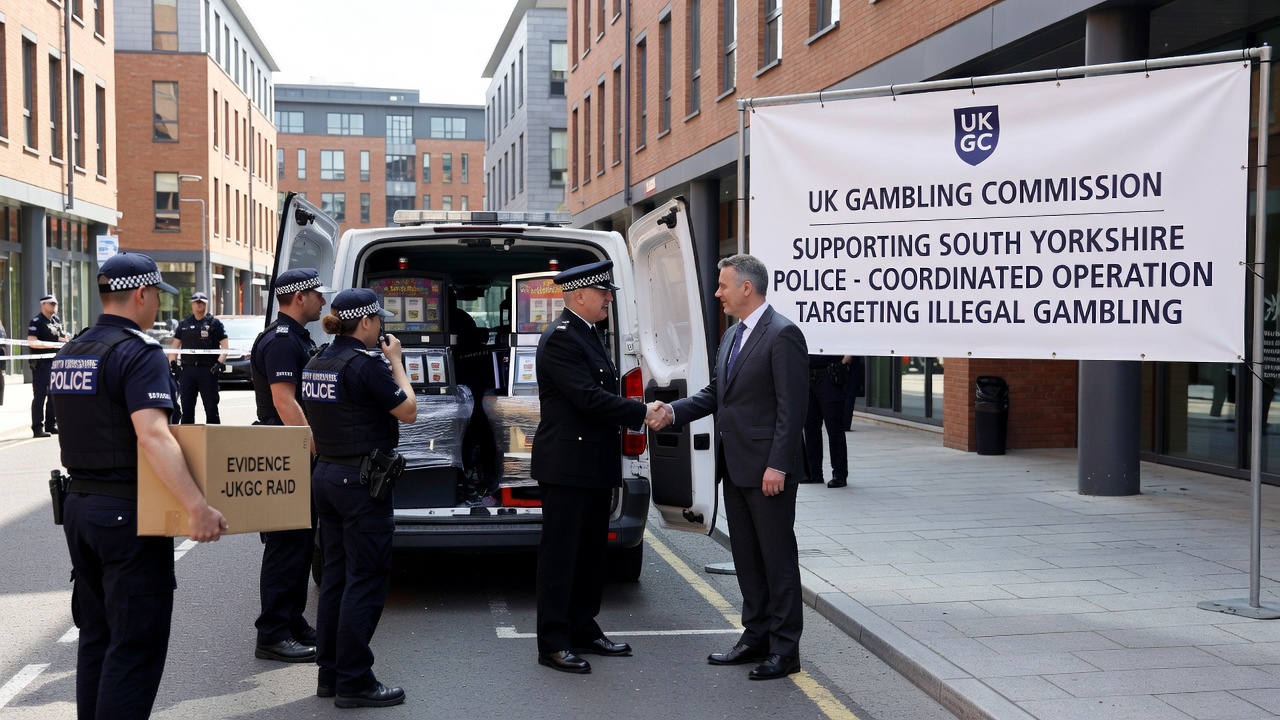
The UK Gambling Commission has ramped up efforts, issuing warnings and blocking IP addresses for known offenders, yet these casinos slip through via mirror sites and VPN-friendly designs; enforcement data shows over 200 unlicensed sites targeted in 2026 alone, but Santeda's network endures, shifting domains weekly. Observers note that while payment providers like Visa and PayPal have cut ties under pressure, crypto options on MyStake keep cash flowing unchecked.
So calls for tougher regs echo louder than ever; industry groups like the Betting and Gaming Council urge geo-blocking mandates and affiliate crackdowns, while MPs reference the investigation in parliamentary debates this April 2026, pushing for GamStop integration across all EU-adjacent platforms. Upgaming's March exit sparked temporary disruptions—MyStake went offline for 48 hours—but backups ensured quick recovery, underscoring the cat-and-mouse game.
Experts who've tracked similar networks, such as those busted in 2024 Malta raids, point out that Georgian-linked ops often rebuild faster than regulators can dismantle, leveraging offshore anonymity; and although Curaçao announced license reviews post-exposure, no revocations have materialized as of early April 2026.
Player Stories and Broader Implications
Take Sarah from Leeds, whose account in the Guardian piece details a spiral: self-excluded in January 2026 after losing £12,000 on licensed sites, she found MyStake via Instagram ads promising "no limits fun," depositing £8,000 in a month before hitting rock bottom; stories like hers abound, with over 50 affected punters interviewed by investigators, many citing unchecked credit card deposits as the hook.
What's significant is the affiliate ecosystem; bloggers and influencers rake in commissions—up to 50% revenue share—for steering traffic, often cloaking promotions as "reviews" on sites mimicking BBC formats. Data from the probe's web scrapes shows 1,200 UK affiliates actively promoting Santeda sites, generating £20 million in referrals yearly.
Yet progress stirs; in late March 2026, MasterCard pledged enhanced screening for Curaçao-licensed merchants, and GamStop expanded its API for third-party checks, though unlicensed players remain wide open.
Conclusion: A Wake-Up Call for Safeguards
This exposure lays bare the cracks in UK gambling protections, where offshore networks exploit self-excluders with impunity, racking up millions in losses and unthinkable harms; as the Gambling Commission doubles down on blocks and the industry lobbies for pan-EU licensing harmonization, the ball's now in regulators' court to seal these gaps before more lives unravel. Investigators stress that while Upgaming's retreat marks a win, the casinos' persistence signals deeper reforms ahead, potentially reshaping online betting's landscape by year's end.
Figures underscore urgency: 15% of UK adults gamble online monthly, and with GamStop enrolments up 25% in 2026, unchecked sites pose escalating risks; those monitoring the space anticipate swift action, but for now, vulnerable punters navigate a minefield of tempting, toxic alternatives.