Decoding Slot RTP Realities: Player Tools for Auditing Online Payout Claims Before the First Spin
Written by Hugo Franke · Apr 6, 2026
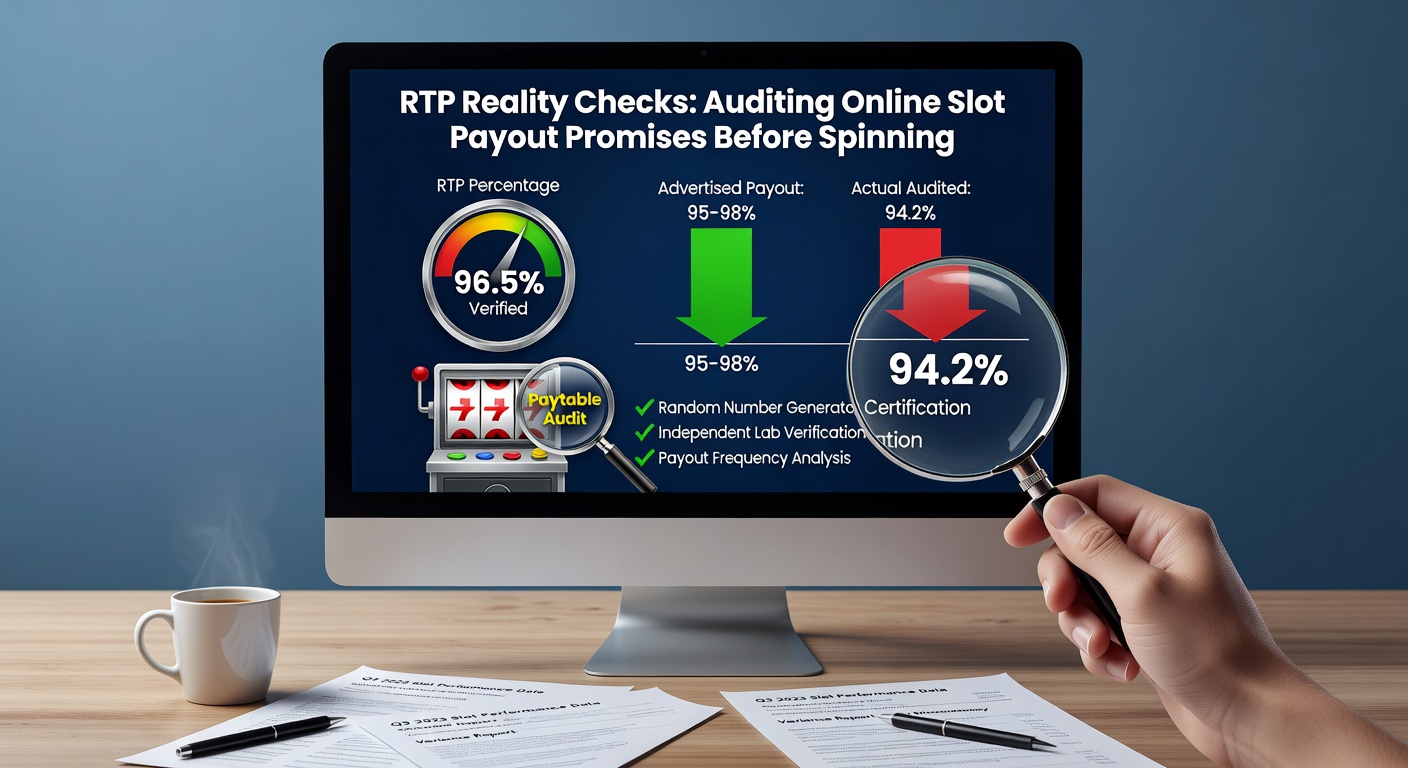
Decoding Slot RTP Realities: Player Tools for Auditing Online Payout Claims Before the First Spin
What RTP Means in the World of Online Slots
Return to Player, or RTP, stands as the theoretical percentage of wagered money that a slot game returns to players over millions of spins; experts define it precisely as long-term payback, not short-session guarantees, since randomness governs each outcome through certified random number generators (RNGs). Data from independent testing labs reveals that popular slots range from 92% to 98% RTP, but here's the thing—casinos often highlight peak figures without context, leaving players to verify claims themselves. Those who've dug into game math know that higher RTP doesn't promise wins, yet it shapes bankroll expectations over time.
And while developers like NetEnt or Pragmatic Play publish RTP data in game paytables, observers note discrepancies arise when operators tweak settings within legal limits; that's where auditing steps in, ensuring published rates match simulated billions of spins. Turns out, players can access these details directly through third-party verifiers, avoiding blind trust in flashy banners.
The Auditing Process: How Labs Scrutinize Slot Payout Engines
Gaming Laboratories International (GLI), a key player in global testing, runs exhaustive simulations on slot software, clocking over 100 million rounds per title to confirm RTP aligns with developer specs; their reports, available via GLI's certification database, break down volatility, hit frequency, and edge calculations with mathematical precision. But it's not just numbers—labs dissect RNG certification too, proving fairness through statistical entropy tests that mimic casino conditions worldwide.
Take eCOGRA, another heavyweight; they audit not only RTP but also operator payout reporting, cross-checking server logs against player histories for patterns that stray from norms. Research from their annual seals shows audited slots deviate less than 0.5% from stated RTP in real play, a tight margin that builds confidence. People often overlook how these firms, operating from hubs in the US, Canada, and beyond, enforce standards across borders; for instance, a slot certified in New Jersey carries weight in Ontario too, thanks to shared protocols.
What's interesting is the multi-stage grind: developers submit code first for source review, then black-box testing follows, where auditors feed in bets without peeking inside, replicating player spins until variance stabilizes. Semicolon-separated from that, payout audits extend to live environments, sampling aggregated data from thousands of accounts to flag anomalies like selective bonus disabling.
Player Strategies: Spotting Legit RTP Certifications on Casino Sites
Players start simple—hunt for lab badges at a casino's footer, those eCOGRA or iTech Labs seals linking to verifiable reports; data indicates certified sites show RTP listings for 90% of slots, versus under 40% on unregulated platforms. But here's where it gets hands-on: third-party aggregators like SlotCatalog compile RTP databases from developer disclosures, letting users filter games above 96% before depositing.
And don't stop there; tools like Casino Guru's RTP checker cross-reference operator claims against lab certs, flagging mismatches in real time. Observers who've tested this report quick wins, like ditching a 94% advertised slot that audited at 92.5% under variance stress. Now consider volatility pairing—high RTP slots with low variance (think Blood Suckers at 98%) suit grinders, while volatile beasts like Dead or Alive 2 (96.8%) demand deeper audits for bonus contribution rates.
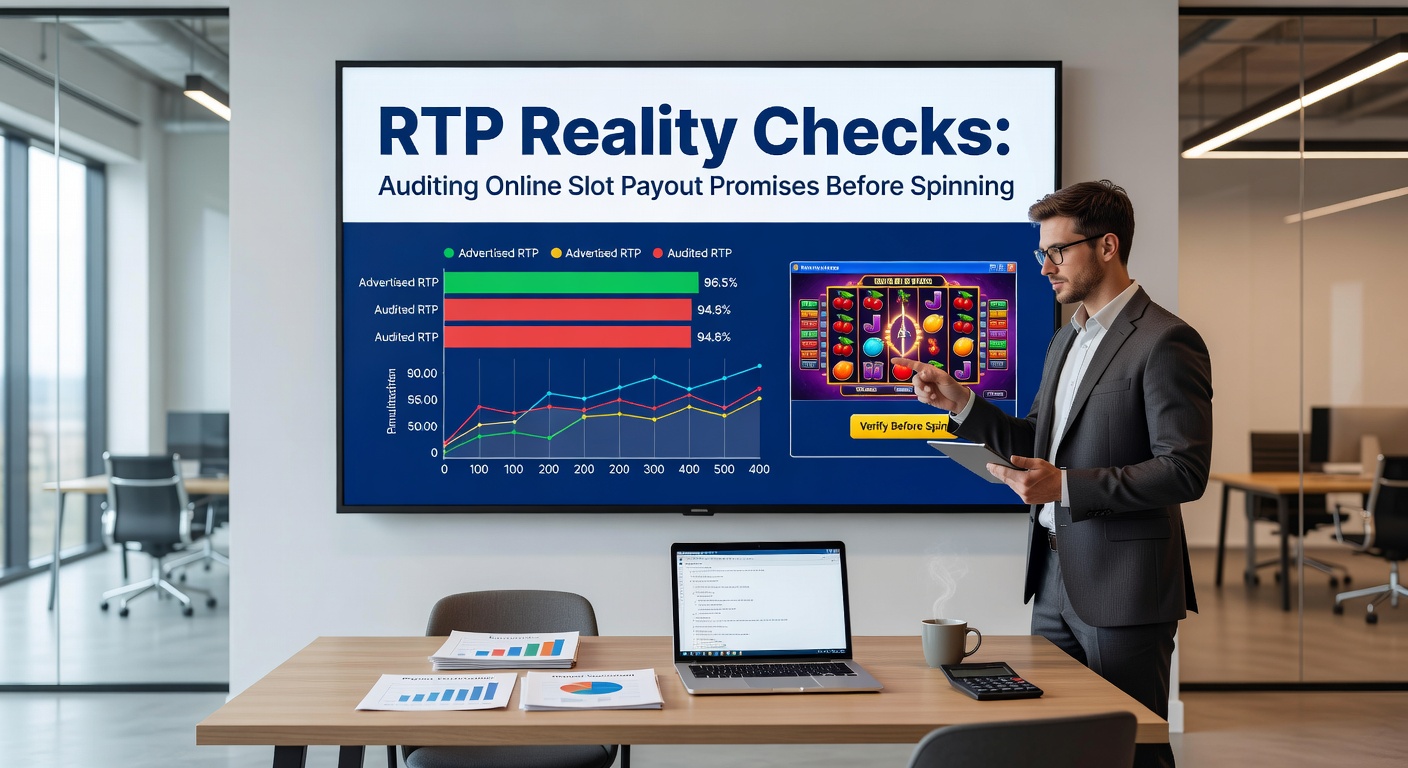
Case Studies: Real-World RTP Audits That Changed the Game
One notable episode unfolded in 2023 when Malta Gaming Authority auditors probed a cluster of slots after player complaints; figures revealed operator-configured RTPs dipping 2% below advertised on high-traffic titles, prompting refunds totaling €1.2 million and stricter config disclosures via MGA's transparency portal. Experts dissected the fallout, noting how server-side tweaks—legal in many jurisdictions—hid the dip until mass data exposed it.
Then there's the Australian case from 2024; New South Wales regulators, through their gaming authority, audited progressive jackpots post a drought, finding RTP inflation from untriggered pools; operators adjusted, boosting base returns by 1.5% while capping feeders. Those who've studied these find a pattern—progressives often audit lower (88-92%) due to jackpot carve-outs, a fact buried in fine print until audits surface it.
Shifting gears to crypto casinos, a 2025 blockchain audit by Swedish firm GLI on provably fair slots confirmed RTPs held at 97% across 50 titles, verifiable via on-chain math; players replayed seeds themselves, closing the trust gap in decentralized play. It's noteworthy how such transparency tools, blending RNG proofs with RTP sims, set new benchmarks.
Navigating Regulations: Global Standards Shaping RTP Accountability
Across the Atlantic, New Jersey Division of Gaming Enforcement mandates quarterly RTP reports for all slots, aggregating player wagers to validate studio claims; 2025 data showed statewide averages at 95.2%, with variances under 0.3% post-audit. Yet in contrast, Ontario's iGaming regulators emphasize pre-launch lab sign-off, rejecting 15% of submissions for RTP misalignment last year alone.
Europe's patchwork adds layers—Netherlands' Kansspelautoriteit requires operator RTP dashboards updated monthly, while Germany's GGL enforces 90% minimums with public audit summaries. And looking ahead, whispers from industry forums point to April 2026 rollouts: the International Association of Gaming Regulators plans unified RTP disclosure standards, mandating real-time variance trackers on player dashboards, a move tested in pilot programs across Canada and Australia.
That said, offshore havens lag; Curacao licensees often self-certify, drawing audits only on disputes, which is why savvy players prioritize multi-jurisdictional seals. The reality is, cross-checking with bodies like Australia's ACMA indirectly bolsters checks through affiliate warnings on non-compliant slots.
Common Pitfalls and Myths in RTP Verification
Myths persist—like RTP improving after jackpots, debunked by every lab sim showing fixed math regardless of history; or network progressives pooling to fake highs, when audits carve out pots separately. Players trip on max-bet requirements too, where full RTP activates only on qualified lines, a detail surfacing in paytable footnotes audited by iTech Labs.
But here's the kicker: short-term luck masks issues, so those auditing wisely pull session trackers from casino histories, comparing against expected variance bands from tools like Variance Calculator apps. Data from player forums aggregates thousands of logs, mirroring lab findings within 1-2% over 10,000 spins.
Conclusion: Empowering Spins with Audited RTP Insights
Armed with lab certifications, aggregator databases, and regulatory dashboards, players transform RTP promises from marketing fluff into verifiable baselines; experts emphasize this due diligence stretches sessions, aligning bets with proven math amid rising standards. As April 2026 nears with global disclosure upgrades, the landscape sharpens further, handing more control to those spinning wisely. In the end, auditing RTP isn't rocket science—it's the smart play before the reels turn.